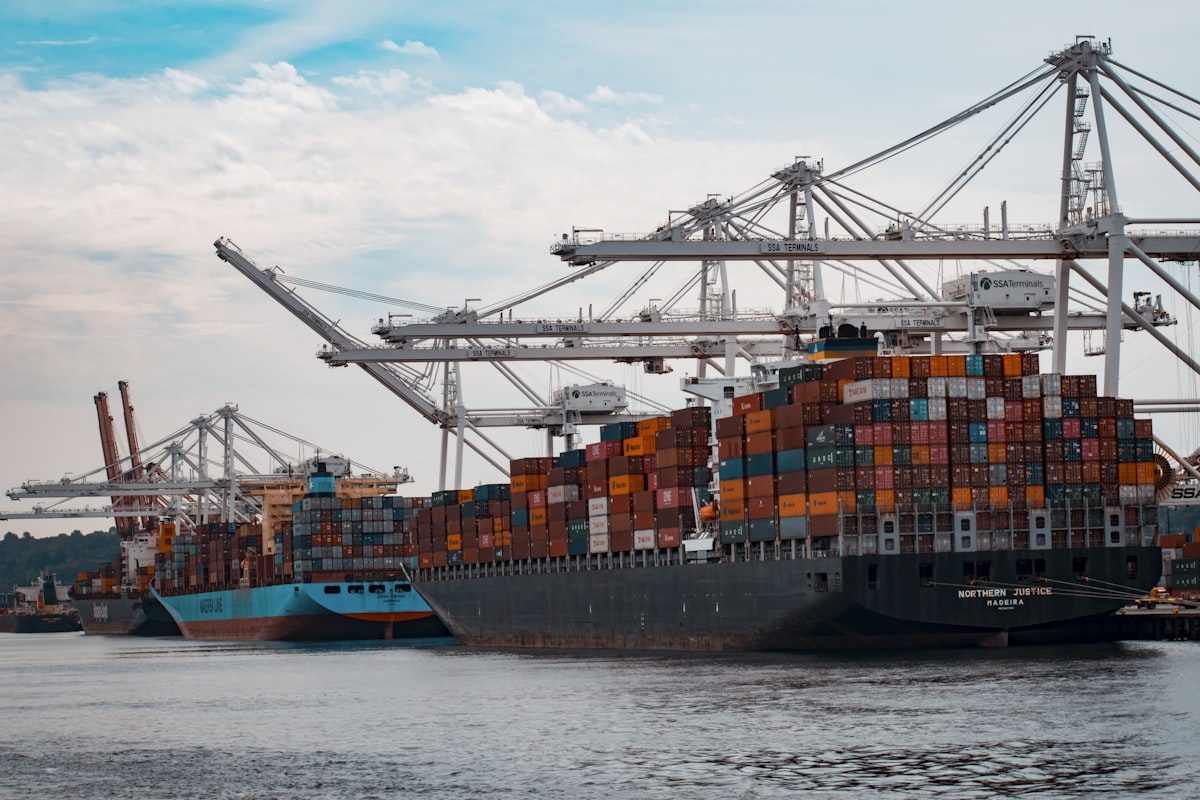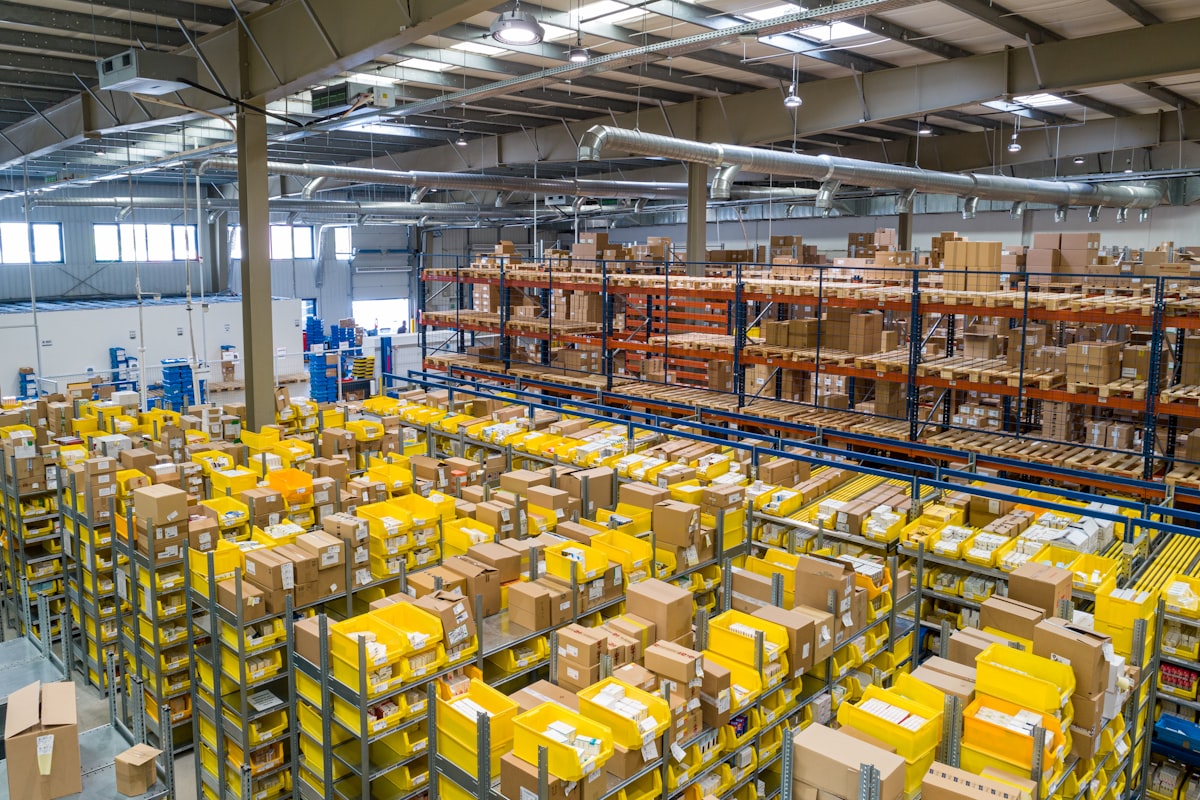
The UK has the third-largest e-commerce market in the world, behind only the US and China. In 2025, UK online retail turnover exceeded £130 billion. Behind that number are tens of thousands of Shopify-powered brands shipping physical products — and most of them will outgrow their current fulfilment setup within the next 12–24 months.
For 3PL providers looking for new clients in 2026, the UK e-commerce sector is one of the most accessible and highest-potential markets available. This article covers what the market looks like right now, which brands are actively looking for 3PL partners, and how to find and reach them.
The UK E-Commerce Landscape in 2026
Several structural trends are pushing UK e-commerce brands towards 3PL partnerships this year:
Post-Brexit logistics complexity
Brands that sell into the EU are dealing with customs, VAT registration and returns processes that didn’t exist pre-2021. Many have responded by setting up separate UK and EU fulfilment — which often means finding a dedicated UK 3PL for the first time.
Rising warehouse and labour costs
Commercial property costs in key logistics corridors (M1, M6, M62) rose sharply in 2024–2025. Brands running their own warehouse face higher rent, higher wages (NMW increases), and the management overhead that comes with both. Outsourcing to a 3PL starts to look attractive at a lower volume threshold than it did three years ago.
Consumer expectation for next-day delivery
Amazon has trained UK consumers to expect next-day delivery as standard. DTC brands that can’t match it are losing to marketplace competitors. A well-located 3PL with Royal Mail and DPD integrations can close that gap — which is a strong pitch for brands currently shipping from their own premises.
Which UK E-Commerce Brands Are Looking for a 3PL Partner?
Not every brand is in the market. The ones actively looking — or about to start looking — tend to share a few characteristics:
Volume in the 500–5,000 orders/month range
Below 500 orders/month, in-house fulfilment is usually cheaper. Above 5,000, brands have typically already signed with a major 3PL. The 500–5,000 range is where the decision gets made — and where a smaller, specialist 3PL can win against the giants on flexibility and service quality.
Shopify stores with 1,000+ monthly visitors and growing
Traffic and order volume are correlated. A Shopify store generating 30,000–80,000 monthly visits is typically in the 1,000–4,000 orders/month range. Tools like Similarweb, Semrush and Minea can give you these estimates without needing to contact the brand first.
Brands in high-SKU categories
Fashion, homeware, health & beauty, and pet products all involve high SKU counts and complex returns. These brands benefit most from professional pick-and-pack operations and are the most likely to recognise that value.
Recent funding or rapid growth signals
A brand that’s just raised a seed round or Series A is almost certainly about to increase its order volume. A product launch or a major retail partnership (appearing in Boots, John Lewis, etc.) creates the same pressure. These are buying signals — and brands in this position are actively researching 3PL options.
The Categories With the Most Active Prospects in 2026
Based on current Shopify data and industry activity, these UK e-commerce categories have the highest density of brands in the 3PL-ready range:
- Supplements and wellness: High repeat order rates, moderate SKU complexity, large customer bases built via DTC channels.
- Pet products: One of the fastest-growing DTC segments in the UK. Brands like Butternut Box and Lily’s Kitchen proved the model; dozens of smaller brands are following.
- Sustainable fashion and apparel: High return rates and seasonal volume spikes make in-house fulfilment especially painful.
- Home and garden: Post-pandemic growth has sustained. Bulky item fulfilment is a pain point brands are actively trying to solve.
- Functional food and drink: Subscription models create predictable monthly volumes that 3PLs can plan around.
How to Reach UK E-Commerce Brands
Cold email — still the most effective channel
A personalised cold email to a brand’s Head of Operations or Founder converts better than any paid channel for 3PL sales. The key word is personalised: referencing the brand’s specific products, markets, or growth signals in the opening line. Generic outreach gets deleted.
Typical benchmarks for well-targeted 3PL cold email:
- Open rate: 35–55%
- Reply rate: 8–15%
- Discovery call rate: 3–6% of emails sent
To book 5 discovery calls, you need roughly 100–150 emails to the right contacts.
A connection request followed by a short message works — if the message is relevant. Avoid the copy-paste approach that floods inboxes. A two-sentence message referencing something specific about the brand converts far better than a templated pitch.
Trade shows and logistics events
eCommerce Expo (London, October), Delivering Tomorrow, and IRX & eDX bring UK e-commerce operations teams together in one place. These are warm leads — someone attending eCommerce Expo is almost certainly thinking about their fulfilment setup.
The Data Problem
The biggest barrier to UK 3PL prospecting isn’t the outreach — it’s the list. Building a verified list of 50 UK e-commerce brands with accurate revenue data, order volume estimates, and decision-maker contacts takes 30–50 hours of manual research. Most 3PL businesses don’t have that time.
The UK E-Commerce Brands Database from Logistics Lead Lab solves this. It contains 45 manually verified UK Shopify brands in the 1,000–2,500+ monthly orders range — each record includes:
- Revenue band and estimated monthly order volume
- LinkedIn decision-maker profile (Head of Operations, Supply Chain Manager, or Founder)
- Company URL and Shopify store confirmation
- Custom AI-generated cold email icebreaker for 3PL outreach
It’s a one-time download. No subscription, no scraping tool to learn, no data cleaning required. Buy, open, start outreach.
Get the UK E-Commerce Brands Database — €99 →
Looking for DACH or French market data? The full product range covers UK, Germany/Austria/Switzerland and France.
How this article was made — openly. This post was written by artificial intelligence and published automatically, without prior human editing. We disclose this under Article 50 of the EU AI Act. It reflects our practical experience in B2B logistics, but it is general information — not professional, legal or financial advice. Verify anything you plan to act on. Full terms.